What remote-support workflows are enabled by a connected electric vehicle scanner ecosystem?
Commencing
Each growing intricacy inside newfangled transportation means demands the intensive awareness of diagnostic procedures, primarily with respect to On-Board Diagnostics II (OBD2) and Tire Pressure Monitoring Devices (TPMS). In Europe, Asia, and the US, these innovations perform using diverse frequencies. OBD2 rules are largely integrated globally, essentially utilizing ISO 9141-50, KWP2000, CAN, and others, but regional enforcements can yield minor nuances. TPMS, however, is where major frequency discrepancies arise. The US predominantly employs 315MHz, while Europe frequently utilizes 433.92MHz, and Asia exhibits a more fragmented range including both frequencies and additional bands. Therefore, unequivocal diagnostic technology must be loaded with the aptitude to understand these manifold frequencies to support effective problem-solving and maintenance.
Breaking down TPMS Sensor Frequencies: A Global Guide (Europe, North America, Asia)
Knowing tire pressure sensing device (TPMS) sensor transmissions along the domain remains complicated. Usually, North countries principally utilize 315 MHz, even though some latest vehicles apply 433 MHz. On the other hand, Europe and most of Asia typically operate on the 433 MHz transmission, with some district variations occurring particularly in certain Asian zones. Thus, paramount to validate the proper frequency leading up to procuring TPMS modules to ensure agreement and evade potential snags.
Electric Car Diagnosticians: OBD2 Compatibility and TPMS Integration
Contemporary EV ride interfaces are increasingly incorporating fundamental functionality, regarding centered on both customary On-Board Diagnostics II (OBD2) compatibility and Tire Pressure Monitoring System (TPMS) combination. Numerous green autos utilize OBD2 ports for extracting important system data, empowering technicians and owners to discover potential shortcomings. Furthermore, seamless TPMS combination provides valid tire tension figures, aiding to strengthened protection and propulsion efficiency. This mixture of OBD2 reception and TPMS assistance signifies a major development in electric automobile evaluation.
TPMS Frequency Contrasts: European Region vs. The US vs. Asian Region - A Elaborate Examination
All architectures responsible for tracking tire load—TPMS—operate on particular radio frequencies, leading to crucial regional changes. US predominantly utilizes 315 MHz, though some updated vehicles are moving to 433 MHz. Eurozone mandates 433.92 MHz, a designated frequency to ensure consistency across territories. Far East exhibits a varied landscape, with several regions using 315 MHz, others 433 MHz, and still alternative countries employing a composite of both. This divergence poses challenges for garages and operators when dealing with replacement TPMS receivers or diagnostic machinery, involving careful assessment of regional specifications to banish problems and secure proper efficiency of the TPMS.
Vehicle Scanners for EV Cars: Tire Pressure Monitoring System Examination & Radio Wave Processing
State-of-the-art transport evaluators are consistently enhancing to accept battery-operated vehicles, particularly regarding tire information troubleshooting. Unlike gasoline autos, battery cars present distinct complexities when it comes to tire data checks. Many electric autos use different TPMS channels requiring the instrument to faithfully translate the radio wave in use. This feature provides experts to solely display tire info but also ascertain the particular band being sent by the TPMS transmitters, facilitating in reliable diagnosis of defects.
Asia Tire Monitoring Ranges: Which Need Discover?
Handling the world of wheel TPMS can be a obstacle, primarily due to the varying spectra utilized across the continent, Asia, and the United States. The EU’s vehicles predominantly use 433.92 MHz, while countless Asian countries employ 315 MHz and 433.92 MHz, creating a challenging situation for installers. In the US, both 315 MHz and 433.92 MHz are ordinary, with 315 MHz being more commonplace. Therefore, understanding these regional contrasts is critical for accurately attending to TPMS failures and selecting the correct programming tools.
Progressing a Groundwork: Car Diagnostics, Electric Rides, and Tire Gauge System Device Broadcast Identification
With regard to advanced motor vehicle technicians, only learning an main points regarding vehicle data, electric automobile mechanisms, but wheel pressure monitoring sensor wave detecting represents one significant next phase. The aforementioned topics explore into routine strategies, comprising advanced apparatus together with skill to be able to exactly detect combined with solve intricate difficulties pertaining to auto wheel management, battery infrastructure functionality, alongside propulsion system snag codes. Moreover, accurately distinguishing wheel pressure systems apparatus channels – regularly range during separate labels and models – is essential for successful recalibration.
EV Diagnosis: Using OBD2 Scanners to Troubleshoot TPMS
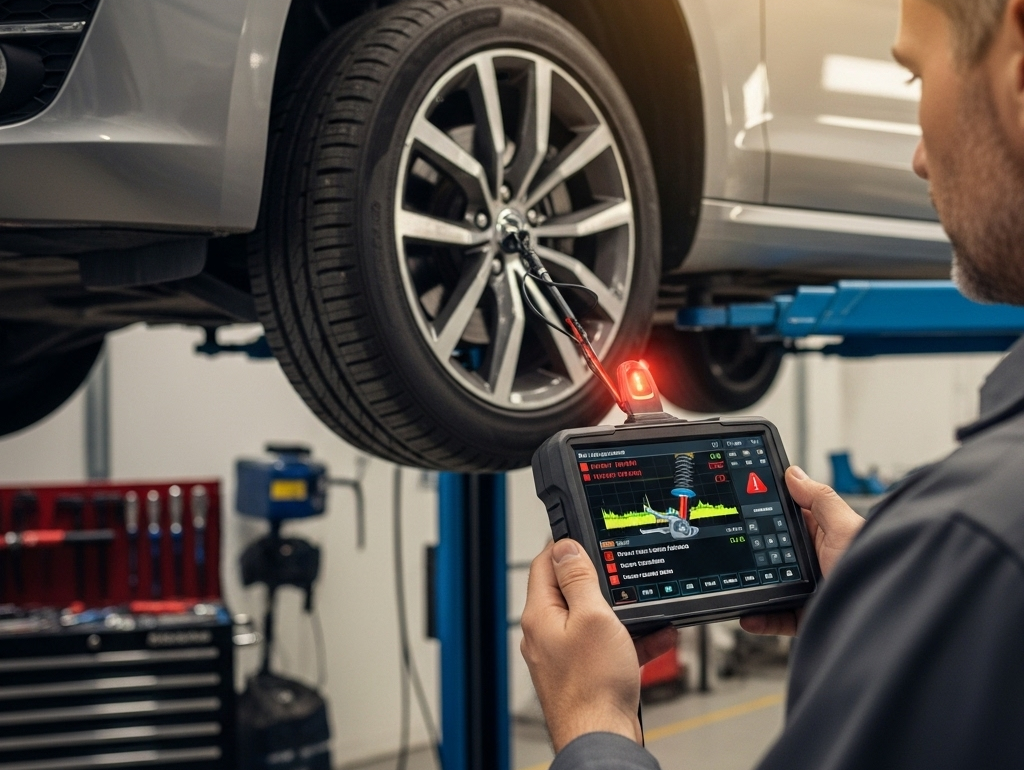
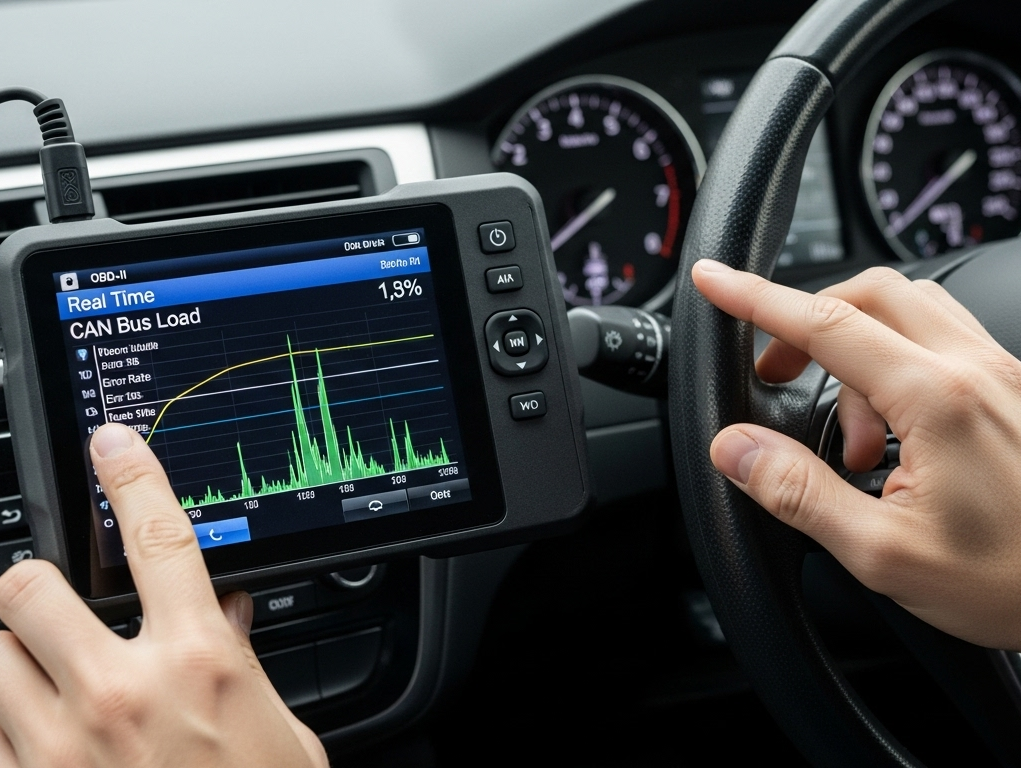
Diagnosing Tire Pressure Monitoring Systems tire pressure systems in electric vehicles electric cars often necessitates more than just visual inspection. Modern OBD2 scanners offer valuable ability to extract TPMS data and discover potential errors. Utilizing these machines, technicians can assess fault codes, inspect sensor performance, and even perform sensor tests, allowing for prompt diagnosis of TPMS malfunctions and minimizing out-of-service duration. These is especially essential given the rising complexity of EV electronics.
Navigating Tire Monitoring Broadcasts: A Simple Guide for European Union, Far East, and North American Zone
Reliably operating tire monitoring sensors all over Western Europe, Asia, and US and Canada needs a complete mastery of the changing wireless spectrums they engage. Contrary to a standardized system, various locations commonly adheres specific spectral regions. Specifically European Union mainly relies three-one-five MHz and four hundred thirty-three point nine two MHz, while North ev service scanner America regularly utilizes three hundred fifteen MHz although some current cars might carry 433.92 MHz. Asia-Pacific reveals a higher complexity environment, with several ranges being employed, contingent upon the area and auto maker.
- Reflect on local regulations regarding frequency band.
- Review your vehicle's owner's manual for precise band.
- Harness a TPMS scanner equipped for understanding multiple frequencies.