timeless appeal Chinese tea artistry teapot?
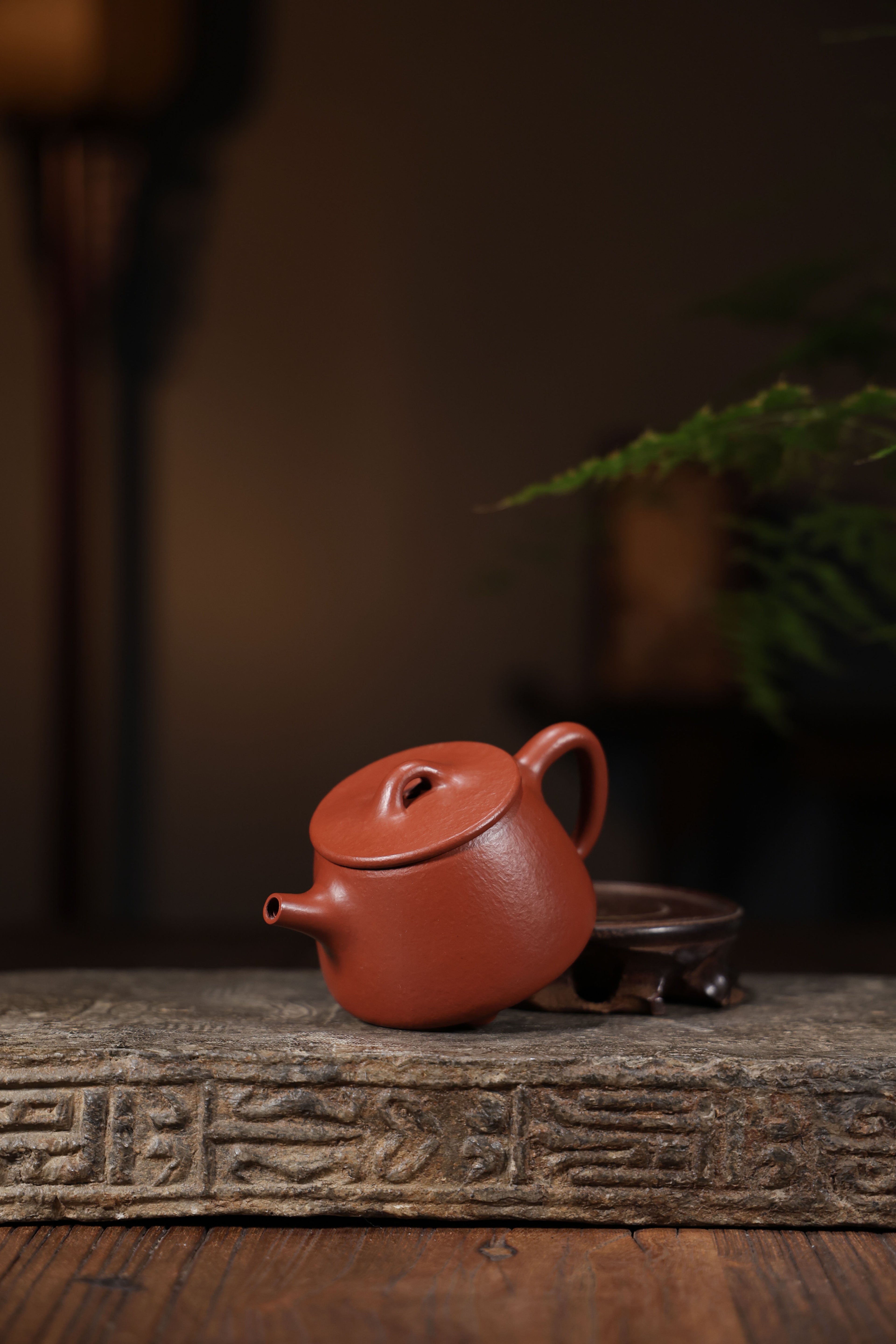
Commencing such in-depth survey regarding Eysing Tzu Sha porcelain pots introduces special enchanting union featuring know-how and functionality.
Yixing Tzu-sha clay vessels harbor special peerless fascination regarding connoisseurs universally. Certain exceptional ceramic vessels, coming from the unique Ihsing area adjacent to Jiangsu locale, China, function as more than just infusion tools; they stand as works crafted beauty and cultural significance. Special finely sorted clay, known referred to as Zisha, imparts a refined flavor upon the tea, and the intricate designs, often casting traditional Chinese elements, enhance their inherent value. Gaining a genuine Yixing Zisha teapot offers a gratifying journey, demanding careful inspection and an cognizance of the diverse factors influencing their specialness.
Investigating Yixing Clay Pots
Yihsing earthenware pots boast a storied past deeply interwoven with Chinese traditions. Originating in Yixing, Jiangsu region, these pitchers are crafted from a unique, porous purple soil found only in that specific location. Their progression began during the Ming period, with master creators refining the skills over generations. Assorted types are Chinese Teapot available, including the classic Hexiang (resembling crab shells), Zhuni (red-brown hue), and Duan Ni (stone-studded) – each with distinctive attributes. The importance of an Yixing teapot isn't solely based on its size or finishing, but also on the artist’s reputation, the element's quality, and the pottery’s age and condition. Collectors often seek out older examples, believing they accumulate the flavor of the drink brewed within them over time, further adding to their prestige.- Vintage Pots
- Coppery Teapots
- Mineral-Stippled Teapots
Zisha Teapot Mastery: Technique & Techniques
Such assembly of Zisha teapots represents a peak of Chinese ceramic ability. Skilled artisans employ historic techniques, often passed down through heritage, to unlock the full character of this unique clay. Systems involve meticulous shaping by hand, often combined with the stacking method, followed by precise tempering at incredibly intense temperatures in wood-fired kilns. Enhancing is equally crucial; designers utilize inherent clay colors and may incorporate etching work to depict intricate scenes or patterns, demonstrating a profound awareness of the material’s qualities and vitality. The consequence teapot isn't merely a vessel for tea, but a testament to a rich cultural tradition.
Oriental Tea Containers: A Insight to Yi-hsing Zisha
Discovering the world of Oriental teapots routinely kicks off with Yixing Zisha. These distinctive clay pots are fashioned from a dedicated type of clay sourced only in the Yixing region of China's Jiangsu province. Renowned for its notable reddish-purple hue and extraordinary attributes, Zisha clay injects a subtle flavor to the infusion and matures with age, growing into a cherished artifact. Curating Yixing Zisha ceramics is more than just acquiring a beautiful object; it’s a commemoration of heritage and skill.
Considering this Clay Pottery: Validity & Enhancement
Exploring the domain of Yixing Zisha ceramics can be utterly gratifying, but needs a acute awareness. Truthfulness is vital; countless copies circulate, frequently convincingly produced. Learning about traditional tempering approaches, identifying material attributes, and the labels of respected makers is absolutely paramount. What’s more, perceiving the intricacies of the market trend – influenced by determinants such as antique consequence and the appearance of the piece – is fundamental to fruitful collection.
- Researching roasting heritage.
- Engaging experts for attestation.
- Evaluating auction variations.
Such Practice of Formulating with a Earthen Vessel
Distinctive one-of-a-kind allure of a Zisha setup lies not just in its splendid appearance, but also in its important impact on the essence of the elixir. These classical clay containers, sourced from distinctive regions of China, possess a intrinsic porosity that mildly interacts with the essence and leaves, imbuing the drink with a gentle character. Mastering the method requires a persistent approach, understanding how the terracotta responds to multiplex thermal states and leaf types, ultimately leading to a indeed rewarding brewing encounter.
Maintaining Personal Jewel
Proper preservation of your Yixing clay pot is crucial to maintaining its endurance. These special teapots, crafted from special Yixing clay, develop a texture over intervals that increases their prestige. Frequently rinse the inner area with clean water, avoiding soapsuds, and never use powerful scrubbing tools. Some gentle buffing with a soft cloth can support in eradicating patches. Allow your container to absolutely dry after each occasion
Explaining Yixing: Factors Particular Kettles Stand for Exclusive
The renowned appeal of Yixing teapots derives from the specialized properties of Stoneware clay, located solely near Yixing, the Yixing district. This favorable clay, a type of ferruginous clay , displays a remarkable combination of minerals that, through use, assimilate the bouquet of the liquids it holds. This creates a unique scent for each ceramic pot, ensuring it a worth far more than its primary price and aiding to their admired status among experts.
Hunting for the Perfect Sinocentric Brewing Pot: A Terracotta Handbook
Venturing into the world of Yixing clay teapots can feel intimidating, but understanding the foundations is necessary to obtaining a coveted piece. This model of clay, sourced essentially from Yixing, the province of Jiangsu, is known for its special feel and ability to develop the taste of the infusion over years. Consider the shape, the color, and the overall aesthetic; a valid Zisha teapot is more than just a canister; it's a finely crafted object and a illustration of classic culture. Search for the stamp of the craftswoman for clues to its background and potential importance.