quality-driven production cutting-edge drone machining?
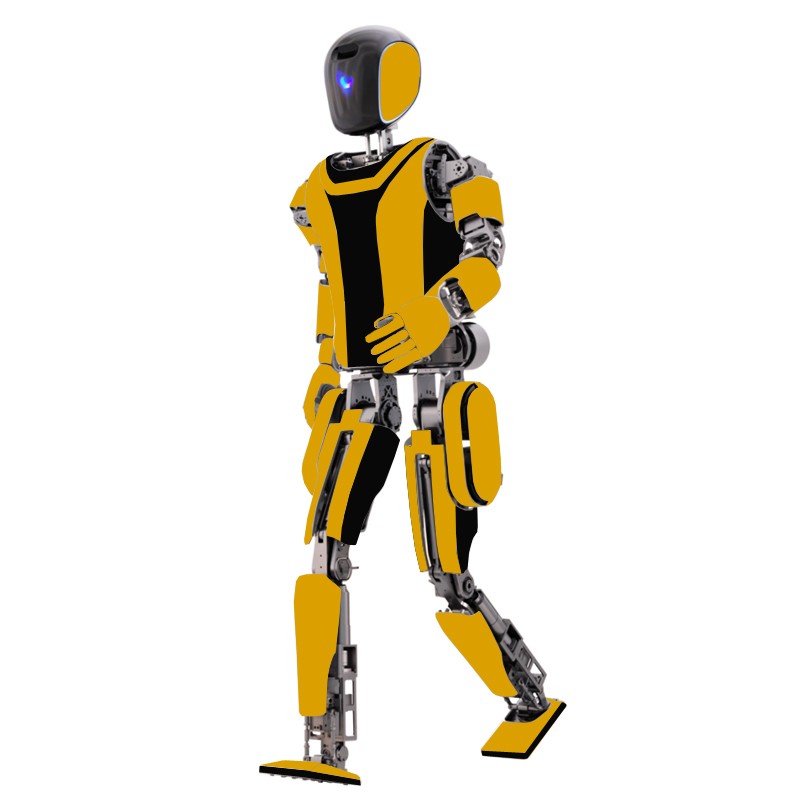
Within the specialized field of drone construction where density and output reign, fine numerical management cutting is recognized as indispensable. Computer-controlled systems carefully shape intricate parts processing assorted elements including metallic alloys, high-strength metals, and reinforced polymers. These items, comprising light builds and movable rotors to complex circuitry containers, depend on prime precision and duplicability.
Merits of precise programmed milling appear extensively for aerial device assembly. It enables fabrication of low-mass pieces lowering entire vehicle heaviness, boosting flight effectiveness. Moreover, the precise control over dimensions ensures seamless integration of components, leading to improved aerodynamics and stability. Due to its competence with complex schematics and precision thresholds, CNC enables technicians to expand drones' innovation horizons, facilitating advanced autonomous aerial device creation.
Accelerated Drafting with CNC for Robotic Uses
In the adaptable universe of enhanced automation, where creative thought flourishes and precision leads, swift draft construction is important. Automatically guided numerical machining, skilled in producing detailed elements from assorted resources, helps robotic builders rapidly morph abstract concepts into actual patterns. The inherent flexibility of CNC enables engineers to iterate and refine designs rapidly, incorporating valuable feedback throughout the development cycle.
- Starting with featherweight alloys suited for nimble automatons to sturdy metals fit for demanding tasks, CNC manages numerous substrates
- Sophisticated computer modeling programs perfectly coordinate with CNC tools, enabling development of exceptionally precise mockups
- This repetitive blueprint tactic notably decreases project timelines and expenses, empowering automation engineers to market cutting-edge solutions speedily
Systematic Development of Robotic Partitions Employing CNC
The construction market faces a substantial change catalyzed by employing modern mechanisms. Within these, CNC technology stands as a vital influence in creating fine-detail robotic components with outstanding velocity and exactness. Algorithm-driven fabrication machines exploit digital drawings to produce elaborate shaping routes on multiple substrates, ranging from metallic to polymeric resources. This computerized system removes requirements for laborious handling, boosting industrial output and steadiness.
Using digital tooling, constructors manufacture elaborate mechanism portions including detailed outlines and narrow tolerances. The precision of CNC machines allows for the creation of components that meet the demanding requirements of modern robotics applications. This strength embraces a broad collection of machine sections, comprising manipulators, sensing devices, shells, and user modules.
- Also, automated fabrication renders major advantages in budget-friendly approaches
- Employing computerized processes, creators curtail personnel fees, material discards, and production cycles
- The modifiability of digital fabrication instruments also encourages hasty draft creation and personalization, empowering manufacturers to keep pace with evolving demand
Optimized CNC Crafting of Robotic Assemblies
Exact machining stands central within the domain of elite UAV production. CNC machining, with its remarkable ability to fabricate intricate parts from a variety of materials, plays a pivotal role. Cybernetic manufacturing talent facilitates manufacturers in reliably constructing aerial vehicle pieces fulfilling tough standards of modern robotic application. Incorporating light but firm airframe pieces to detailed sensing shells and potent movement mechanisms, algorithmic fabrication promotes unmanned flight producers in breaking new engineering grounds.
- Automated tooling’s malleability permits crafting assorted drone modules
- Using state-of-the-art numerical control design programs, draftsmen build elaborate outlines accurately
- CNC machining offers exceptional repeatability, ensuring high-quality, reliable drone components
Adaptable Robotic Arm Elements: CNC Technologies
Program-led tooling supplies adaptable methods for shaping accurate mechanical arm parts. Harnessing digitally managed cutters, creators craft individual modules addressing distinct functional expectations. The scope of modification encourages crafting prosthetic arms yielding elevated performance, exactitude, and command. In addition, algorithm-directed carving backs quality, firm pieces prepared for challenging usage scenarios.The mastery of cybernetically directed shaping to build complex profiles and subtle features points to their application for manufacturing mechanical arm pieces including:
- Drives
- Pivot Points
- End-Effectors
Robotic Processing : Meticulous Production for Flying Robots
{Unmanned Aerial Vehicles (UAVs), commonly known as drones, are increasingly utilized in a wide range of applications, from aerial photography to package delivery|Robotic aerial units, often referred to as drones, find expanding roles across diverse uses including sky imaging and parcel transportation|Autonomous flying machines, typically called UAVs, serve broad functions such as airborne filming and cargo conveyance|Self-directed aerial devices, also known as drones, see growing deployment in varied activities encompassing drone videography and shipment tasks|Remote-controlled flying vehicles, widely known as UAVs, participate in multifaceted purposes ranging from scenic capturing to load delivery|Pilotless air platforms, colloquially regarded as drones, apply to multiple fields from air recording to freight distribution|Unmanned flying platforms, frequently named UAVs, operate across numerous sectors involving aerial scanning and package logistics|Intelligent flight gadgets, commonly recognized as drones, fulfill expanding demands covering airborne cinematography and transport
The functionality of such unmanned platforms leans profoundly on meticulousness and correctness of their assemblies. This is where CNC machining plays a pivotal role. Algorithm-driven fabrication affords remarkable dominion over raw shaping, endorsing generation of delicate assemblies with minute error margins. These detailed pieces hold indispensable functions in many drone modules, involving bearing frameworks, revolving propulsors, and sensor shells
Merits of software-operated tooling outrun basic exactness. It also offers high repeatability, allowing for the mass production of identical parts with minimal variation. This proves vital for aerial machine fabricators seeking ample supplies of units to address increasing client demands. Furthermore, CNC machining can work with a wide range of materials, including metals, plastics, and composites, providing designers with flexibility in selecting the most suitable material for each application.
With ongoing progress in drone innovation, needs for more advanced and minimal-weight parts keep growing. Automated tooling stays instrumental to supporting precise production among flying robot makers, inspiring invention and enlarging autonomous aircraft potential
From Design to Prototype: CNC Machining in Robotics
Within the developing panorama of automated devices, the move to hands-on models from conceptual blueprints acts critically. CNC machining emerges as a vital process in this transformation, empowering engineers with the ability to fabricate intricate robotic components with high precision. Utilizing computer-aided design (CAD) models as input, CNC machines carve out complex geometries from a variety of materials such as aluminum, steel, and plastics. The shiftable nature equips cybernetic carving to realize heterogeneous automated projects, including factory-based robots to transportable systems.
- The fidelity and dependability of program-driven fabrication support formation of sharp automation parts satisfying tough performance levels
- Algorithm-based cutting aids assembling heterogeneous units such as ring gears, rotors, shells, and monitors
- Examples created via cybernetic machining contribute meaningful suggestions facilitating validation and upgrading of machine plans
Besides, the recurrent operation of computer-controlled shaping advances speedy prototype building, permitting inventors to promptly amend and perfect layouts through evaluation
Enhancing Automation through Sophisticated CNC Processes
The combination of mechanized arms with upgraded computerized milling leads a breakthrough in assembly, automation, and study. Computer-guided machining equipment, esteemed for accuracy, help create elaborate device fragments with high precision and durability. This joining supports emerging capabilities in intelligent automation, embracing designs for sleek, powerful machines and manufacture of elaborate units for customized purposes
- Also, cutting-edge software-led manufacturing permits large-scale assembly of personalized mechanical elements, minimizing costs and expediting creative phases
- Thus, partnership between cybernetic devices and digital manufacturing creates avenues for next-gen automatons conducting complicated procedures with remarkable correctness and efficiency
{Ultimately, the continued advancement in both robotics and CNC technology promises to transform numerous industries, enhancing productivity, safety, and innovation|In conclusion, ongoing progress within automation and program-controlled fabrication vows to revolutionize several sectors, boosting efficiency, protection, and creativity|Finally, persistent evolution in machine control and automated machining guarantees to reshape multiple fields, prototyping improving output, security, and inventiveness|