process streamlined flavour change pigging systems for beverage bases?
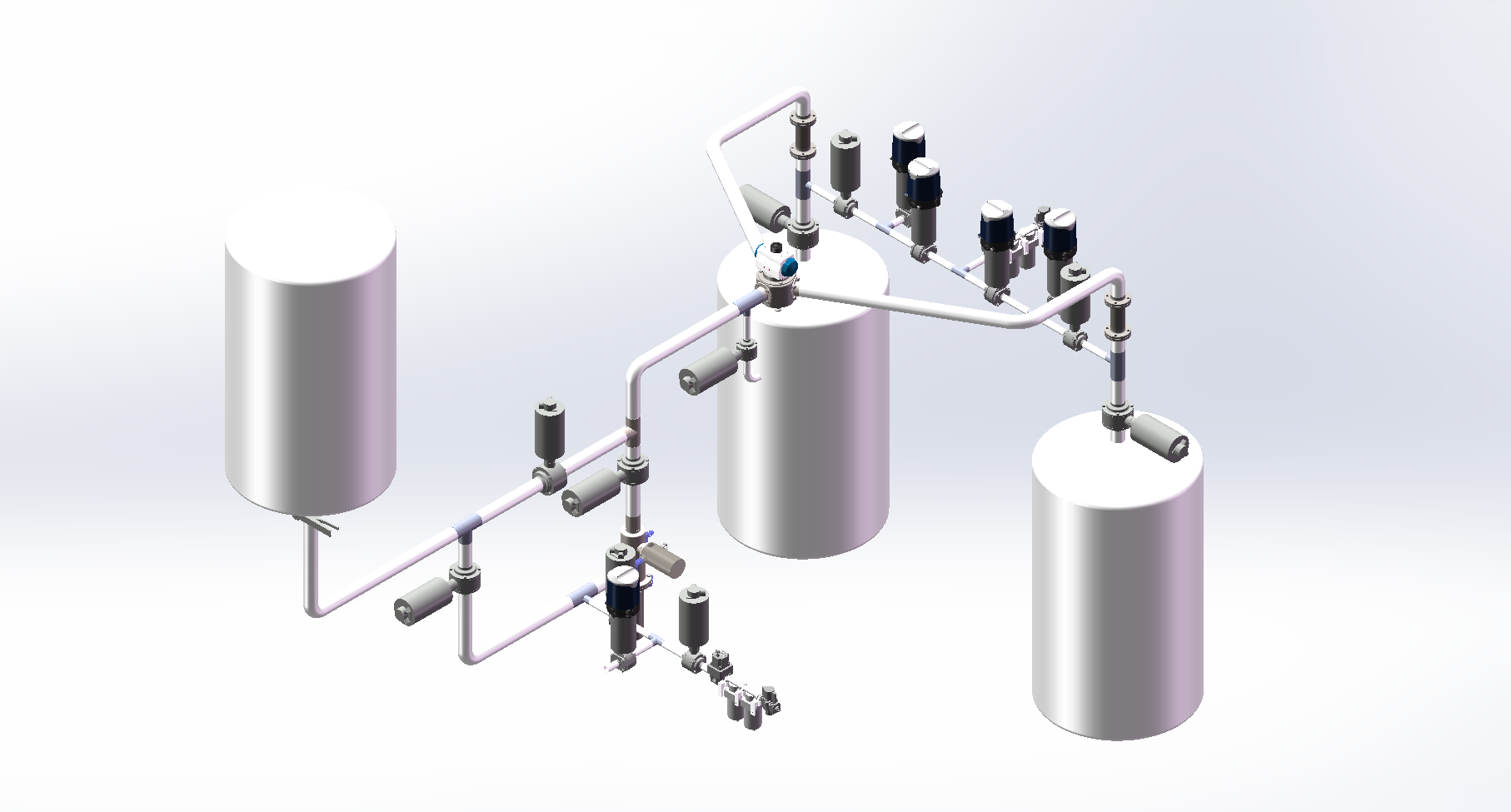
Beginning State-of-the-Art Pipeline pigging systems Methods
Sanitary Pigging Systems for Food-Grade Applications
Performing food-safe pigging methods guarantees top-tier immaculacy combined with hygienic throughput. These protocols include corrosion-resistant alloys designed for withstanding meticulous maintenance in the course of limiting bacteria growth.
- Innovative designs adopt programmable sanitation phases, enhancing cleaning success.
- Meeting legal requirements remains essential for each safe pigging method applied in edible supply chains. Solutions are manufactured to comply with strict requirements, supporting the ultimate product safety.
Refining Pipeline Productivity with Pigging Solutions
Fluid transport pigging methods presents a robust technique for refining system performance. With executing intelligent pig launching and strategic testing programs, engineers can lower unplanned downtime, amplify conduit throughput, and maintain fluid channel reliability. Pigging not only detects potential defects such as plugs or damage but also enables efficient sanitation and testing approaches. This proactive network oversight pronouncedly trims maintenance costs and bolsters the complete trustworthiness of distribution channels.
Safe Pigging Practices in Animal Food Industries
Cleaning pig solutions have become vital components within the pet diet fabrication industry. These systems assist the safe and efficient distribution of inputs through flumes, reducing mixing hazards. By thoroughly dividing different constituents or delivery groups, pigging systems benefit guarantee the highest levels of grade and well-being in pet food production.
As well, pigging systems equip a set of benefits, consisting of reduced downtime for sterilization and care, improved process efficiency, and minimal product loss. The use of pigging systems ultimately facilitates the production of risk-free, balanced, and stable pet food.
Sanitary System Design for Pet Food Production
Within the development of pet food, achieving reliable sanitation is fundamental. Pigging systems are central in guaranteeing product excellence and protection by efficiently cleaning pipelines between formation stages. A well-designed pigging system entails parts that limit contamination risks, strengthen consistent hygiene practices, and hinder product blending between batches.
- Employing polished textures controls the potential for biofilm development.
- Elements that are decontaminable and deterioration-proof are essential for upholding hygiene.
- Reliable barriers eliminates the backflow of impurities during sanitizing and pipeline delivery.
Reliable pigging layouts also enhance pipeline output by limiting downtime for servicing. By thoroughly wiping out residues and stopping cross-contamination, these systems bolster to a more stable production process, clearly leading to the creation of healthy and premium pet food.
Conduit Inspection and Hygiene
Sustaining the durability of fluid lines is critical for safe and high-performance circulation of fluids. Pigging systems grant a cost-effective technique to upholding pipelines. A pig, also referred to as a pipeline mechanism, serves as a automated device propelled through the pipeline to deliver various tasks. Cleaning pigs cleanse buildup and contaminants, while inspection pigs are loaded with sensors to detect deficiencies in the pipe walls. Regular pigging helps mitigate pipeline interruption, guaranteeing safe and reliable functioning.
- Diverse types of pigs exist, each adapted for specific roles.
- Pigging operations are reliable and can be operated from distance.
- Implementing a pigging program can increase the endurance of pipelines and curtail maintenance costs.
Modern Pigging Solutions for Pet Nutrition
Pigging develops into a significant solution in the pet food industry, ensuring efficient and sanitary production.
Advanced pigging technologies harness sophisticated devices to precisely sanitize pipelines. This decreases the risk of cross-contamination between different pet food types, thereby optimizing product safety and quality.
Moreover, advanced pigging solutions offer a range of benefits such as: * Optimized sanitation workflows * Diminished process breakdowns * Improved overall hygiene standards * Lowered dependency on toxic agents
The implementation of these technologies highlights the pet food industry's commitment to delivering secure and premium food for pet owners.
Issues and Approaches in Pigging Systems for Pet Food Production
Pigging methods are vital in the pet food production process, ensuring efficient shipment of products and finished products. However, these systems endure multiple challenges. One frequent issue is blockages caused by substance conglomeration. Controlling this difficulty involves incorporating pigging solutions such as modifiable appliances and adjusting ingredient formulations.
Another hurdle is the chance of contamination. Reduce this, strict sanitation protocols are to be observed throughout the pigging system. This encompasses regular cleansing of pigging appliances and adoption of potent cleaning formulas. Regular maintenance are also significant to locate potential issues early on. By enforcing these solutions, pet food manufacturers can maintain the efficiency and stability of their pigging systems.
Profitability of Pigging Tools for Pet Food
Pigging applications offer a variety of advantages for pet food manufacturers focused on maximize their production processes. These systems operate hydraulic pressure used to propel one pig, a cleaning device, through the pipeline, precisely removing product residue and contaminants. Hence, pigging systems enable to better hygiene standards, diminishing the risk of cross-contamination and delivering a safer final product for buyers.
- Additionally, pigging systems can inflate production efficiency by reducing downtime for cleaning and maintenance.
- What's more, they help to curtail waste by limiting product loss during pipeline cleaning.
- Lastly, pigging systems can be built to fulfill the specific requirements of different pet food production lines.
Empirical Evidence of Pigging Advantages in Pet Food
Pet diet production area is increasingly demanding efficient and sanitary procedures for upholding optimal product quality. Pigging systems have developed into a preferred solution to meet these demands, offering a sound method for cleaning and inspecting pipelines within pet food plants.
Several case studies confirm the results of implementing pigging systems in various aspects of pet food production.
- Enterprises like [Company A], [Company B], and [Company C] have declared significant improvements in sanitation, product trustworthiness, and overall operational output following the adoption of pigging systems.
- Gains such as reduced downtime for cleaning, shrunk cross-contamination risks, and improved traceability of product flow have been observed in these case studies.
Besides, pigging systems contribute to green reduction by boosting resource utilization and minimizing waste generation.
Choosing the Right Pigging System for Your Pet Food Pipeline
Concerning preserving the purity standards of your pet food line, a sturdy pigging system is essential. Pigging systems optimize efficiency by flushing product residue and reducing cross-contamination between batches. Selecting the correct system depends on a variety of criteria, including your manufacturing volume, input characteristics, and deployed infrastructure.
- Weigh the span of your pipelines to ensure a compatible pig design.
- Examine the thickness of your pet food products to choose the best pig material and rate of operation.
- Focus on systems that include features like remote launching and retrieval for optimized security.