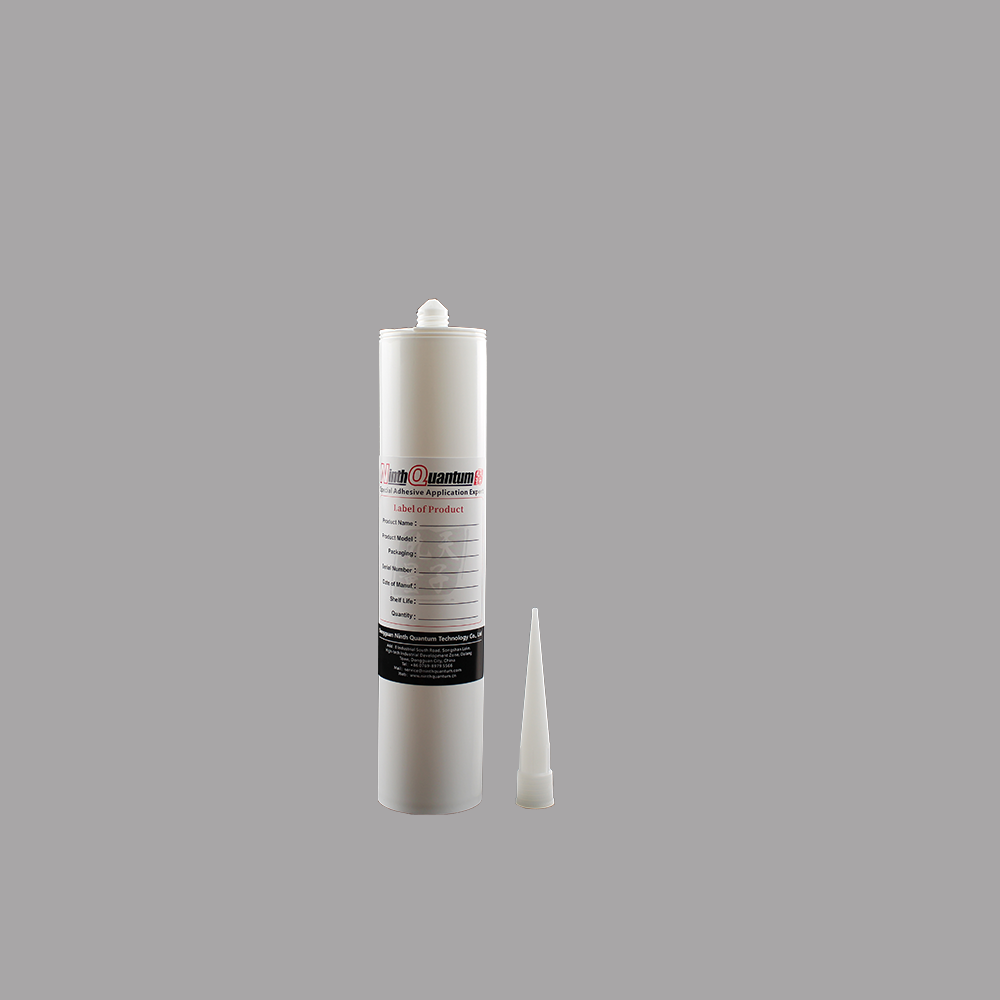
optimally viscous easy spread high-quality PSDM sealing agent?

Across the arduous area of circuitry package defense, acidic sealants have become a favored remedy because of superior sticking features and the ability to tolerate extreme elements. Such agents form solid shields towards moisture, corrosion, and pollutants. Equally, their integration capability across multiple platforms improves usage opportunities.
- Albeit
- barriers exist
- related to acid-based sealants.
The difficulties relate to damage to device segments and questions on lifespan resilience under function. Thorough experimental activities strive to tackle problems and refine acid-comprising sealing product function in hardware
Innovative conductive sheets revolutionizing electronics cooling methods
Throughout the innovative electronics domain, managing temperature rise is crucial. Because electronics become tinier and yet carry higher loads, controlling heat growth is necessary. Progressive heat-conductive membranes deliver superior thermal transfer alongside pliability. These sheets adapt to hardware layouts, advancing warmth dispersion mechanisms. In tools including handsets, notebook computers, and wearables, film integration improves power longevity, heightens performance, and assures dependable functioning.
- Thermal films enable alterations in compounds and scale to address specialized temperature management purposes
- Employing thermal sheets within production chains typically ensures facile integration
- Steady research breakthroughs optimize heat-conductive film efficiency, unlocking new markets
PSDM Strategies Empowering Device Dependability
Within advancing technological spheres, guaranteeing gadget reliability remains crucial. Approaches such as PSDM operate as pivotal advancements confronting major issues. The predictive system diagnostic model lets organizations oversee devices in advance, identify nascent malfunctions, and implement timely servicing. The anticipatory approach significantly cuts halt times, boosts system throughput, and prolongs equipment lifetime.
Silicone-Derived Electric Conductive Sealants
The mix integrates silicone resilience and electric transmitting features. Appropriate for use requiring coordinated electric and heat conduction. Besides, withstanding heat, water penetration, and light exposure suits varied commercial and residential demands
- Often implemented in devices, vehicle engineering, and medical technologies
High-Grade Acidic Sealants Optimized for Intense Conditions
Markets impacted by persistent degradation call for steadfast coatings. Progressive acid compounds impart notable protection against severe acidic interactions. Composed of hardy components, the formulation bonds securely across substrates, maintaining resistance in hostile acidic conditions
- Critical facets embrace impermeable sealing, temperature endurance, and long-term reliability
Adopt our advanced acidic sealing compound for solid performance in rigorous scenarios
Thermal Conductive Sealants Enabling Efficient Heat Dispersion
Within the electronics and thermal regulation sectors, thermal conductive sealants serve vital purposes in optimizing heat flow inside devices. These agents show exceptional heat flow efficiency to disperse thermal energy emitted by electronic devices. Crafting sturdy bonds between gadgets and cooling modules, these agents suppress temperature inconsistencies. Subsequently, effects encompass refined function, steady dependability, and lengthier life by forestalling heat-induced setbacks.
Choosing the proper heat conductive adhesive leans on factors like heat exposure, material compatibility, and bond strength. Evolution of thermal sealing compounds steadily upgrades conductivity, promoting smaller and stable heat management methods
Excellent Sticking Abilities of Silicone Sealants Exhibiting Conductivity
Silicone-based conductive sealants exhibit superior adhesive quality securing firm bonds. The remarkable clinging property supports consistent current flow and inhibits separation. Compositional aspects including conductive fillers like silver particles or carbon black foster strong bonding with metallic, plastic, and glass surfaces. Persistent sticking improves device lifespan by offering immunity to mechanical, thermal, and environmental stresses.
Assessing Acidic Sealants in Semiconductor Device Applications
Choosing sealants tailored for semiconductor use requires careful consideration of material compatibility. With superior binding traits, acidic sealants might challenge sensitive semiconductor elements. Exhaustive experiments and critical appraisal maintain safety of semiconductor elements when applying acidic sealers.
Parameters like acidity percentage, exposure length, and temperature impact sealant function and substrate reactions. Carrying out thorough examinations protects delicate circuits from acid-induced corrosion or deterioration effects
Contribution of Conductive Films to Electronics Manufacturing
Conductive materials play a crucial role by enabling electric current flow within electronic device production. Such films grant continuous electricity conduction, maintaining consistent performance of multifaceted devices. Sectors implementing conductive films include flexible displays, transistor arrays, sensing instruments, and miniaturized electronics. Their ability to conduct electricity effectively while preserving thinness makes them optimal candidates for modern electronic design and manufacture
Qualities of conductive membranes are finely governed adapting them to particular utility requirements. As an example, electrical resistance is refined ensuring superior operational effectiveness and productivity. Also, films deposit on platforms like plastic, metal, and glass supporting flexible manufacturing and architectural approaches
- Positive aspects include elasticity, delicate makeup, and cost-efficient manufacturing
- Their usage steadily grows in gadgets like mobile phones, portable computers, and intelligent accessories
- Forthcoming changes revolve around transparent, elastic, and self-restorative conductive membranes with superior conductivity
Contrasting PSDM and Time-Honored Adhesive Processes
Bonding technology encompasses leading procedures such as PSDM and conventional adhesives. This discourse conducts a comparative examination highlighting their pros and cons. PSDM provides quick, precise bonding ideal for delicate surfaces. Conversely, classic techniques use force-based processes typically ensuring robust bonds while being slower
- Key benefits of PSDM consist of versatility and ease of use
- Classic adhesive techniques often ensure robust bonding ideal for industrial-grade work
Emerging Innovations in Acidic Sealant and Conductive Film Fields
Research and development in acidic sealing and conductive membrane technologies face promising breakthroughs. Significant initiatives direct efforts toward innovations improving sealant robustness amid challenging circumstances. Together, studies focus on optimizing conductive membranes for flexible computing, sensory technology, and Acidic sealant energy capture.Joint efforts integrating scientists with market leaders remain indispensable for innovation momentum. The cooperative approach secures relevance of acid-based sealant and conductive film products to shifting commercial requirements