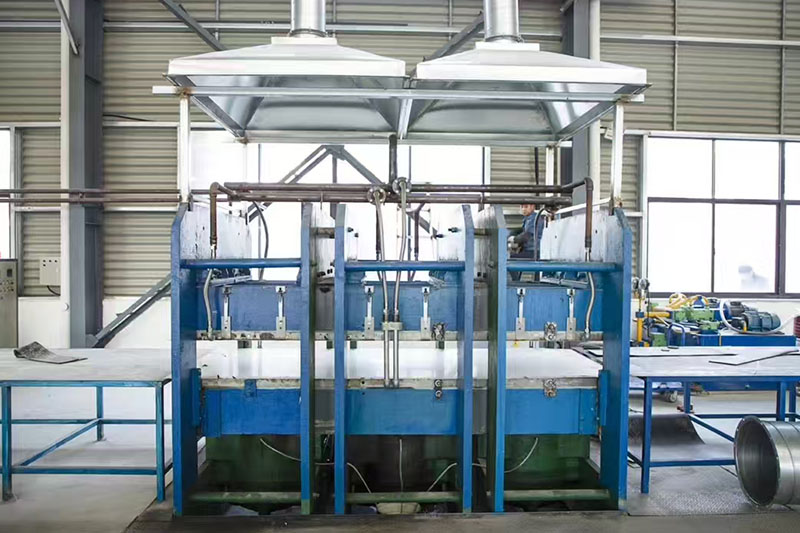
Lightweight nitrile synthetic rubber sheets?

Authentic elastomer laminates, derived from the Hevea vegetation, offer a distinctive integration of aspects that render them important across a wide-ranging set of markets. Their inherent elasticity facilitates them to return to their original outline after significant extension, a important influence in many applications. Furthermore, these films display exceptional tensile power and good resiliency to friction, even when open to variable thermal states. Consequently, you’re likely to discover them employed as vibration mitigators in tools, shields for cisterns and boxes, and even as a constituent in tailored ring seals. The capability to adjust their toughness through various blending methods facilitates for tailoring to accommodate very distinct requirements. Beyond sectoral operations, they're also common in crafting projects and even distinct fitness goods, showing flexibility that few other resources can rival.
Insulating Sheeting Sheet: Insulation & Charge Efficiency
One performance of one barrier elastomer slab balances critically on its integrated caloric and power properties. Usually, these films are constructed from compositions like rubber-based, EPDM, or nitrile rubber, each displaying a singular balance of withstanding to heat transfer flow and energy movement. Infrared functionality is evaluated by levels of thermal transmissivity, diminished numbers pointing to greater separation efficacy; a solid panel will dramatically lessen heat escape or gain, preserving unvarying thermal measurements. Charge insulation is crucial for hazard resistance in countless applications, and the rubber’s dielectric durability – the highest voltage it can absorb before breakdown – is a major facet to regard. Fluctuations in sheet thickness and rubber blend straightaway shape both functions, presenting a adjustable system to meet specific engineering specifications. Furthermore, environmental conditions like heat and humidity can gently alter said performance, which forces careful scrutiny during preference.
Nitrile Rubber Sheet: Oil & Reactant Shielding Information
Appointing the right nitrile compound board for your function relies critically on apprehending its impressive, yet fine, tolerance to various oils and chemicals. Nitrile panels are outstanding as a general-purpose fix, particularly when facing petroleum-based oils, hydraulic fluids, and many aliphatic hydrocarbons. However, degradation can occur with prolonged exposure to certain chemicals; therefore, thorough testing and careful assessment of the specific chemical environment are vital. This guide explores common chemical results and provides a overview understanding – remember, consulting a full chemical resistance chart specific to your nitrile sheet's formulation is always recommended for critical sealing purposes. For instance, while superb with mineral oils, certain esters and ketones may present complications, potentially leading to swelling or reduced flexibility. Always verify specifications before implementing!
Chemical-Based Membrane Longevity & Multifunctionality Explained
Neoprene rubber layers offer a remarkable meld of elements, making them exceptionally appropriate for a wide variety of operations. This chemical material is renowned for its outstanding resistance to degradation from chemicals, gases, and sun beam. Consequently, those layers maintain their limberness and effectiveness even when forced to harsh scenarios. Beyond their reactive resilience, neoprene’s built-in flexibility and potential to withstand tension without permanent deformation aid significantly to its comprehensive hardiness. Whether you need a safeguarding layer for industrial equipment, a gentle padding for fitness gear, or a watertight barrier, a neoprene rubber cover gives a reliable fix.
Choosing Amongst Natural vs. Chemical Rubber Panels
When analyzing rubber panel options, many buyers face the dilemma of which element correctly serves their demands: natural rubber or neoprene. Natural latex-like sheets are sourced directly from polymer vegetation, and offer exceptional adaptability and pulling capacity, while simultaneously showing a relatively eco-friendly character. Conversely, neoprene, a synthetic composition, is engineered via a elaborate chemical process. This yields in a material that's inherently invulnerable to degradation from oils, chemicals, and UV exposure – qualities often weak in natural latex-like. Ultimately, the prime selection rests on the specific function and the environmental circumstances encountered.
Picking the Ideal Rubber Slab
Opting amid natural, nitrile, or neoprene rubber layers can feel close to a puzzle, but recognizing their individual features makes the process far more uncomplicated. Natural rubber offers excellent elasticity and withstanding to abrasion, making it well-suited for applications where softness is key; however, it cannot hold up effectively with oils or solvents. Nitrile rubber, instead, is renowned for its oil together with chemical resistance, a fantastic preference for automotive or industrial locales. Finally, neoprene offers a rare blend of features, including satisfactory oil in conjunction with weather opposition, coupled with notable flexibility – a universal option for stressful applications.
Premium Heat-Blocking Film Overlay Solutions
Meeting the ever-increasing demand for consistent thermal regulation, our cutting-edge high-efficacious temperature-control material layer products provide exceptional shielding across a wide range of businesses. These meticulously-designed compositions offer outstanding resistance to radical temperatures, corrosive exposure, and mechanical stress, ensuring enduring operation even in adverse environments. Despite you need to protect essential equipment, copyright top performance temperatures, or minimize electricity loss, our adjustable rubber board offerings provide a cost-effective and potent approach. Moreover, our specialist crew is readily available to aid you in opting the ideal option for your special prerequisites.
NBR Material Board for Severe Industrial Implementations
Synthetic Rubber rubber sheets are widely recognized within the industrial sector for their exceptional resistance to a sizable spectrum of oils, fuels, and chemicals. These long-lasting compositions provide a important barrier in environments where encounter with hydrocarbons and similar substances is commonplace. Beyond simple protection, nitrile panels offer superior suppleness allowing for use in applications requiring tight seals and custom shapes. From the vehicle industry to engineering plants, nitrile’s multipurpose makes it a selected choice. The special blend of properties ensures longevity and reliable performance, minimizing downtime and reducing overall sustainment costs. Consider nitrile material blend films when proven protection is a priority.
Chemical-Based Rubber Panel: Meteorological Resistance and Bendability
An important vital advantages of neoprene rubber films lies in their remarkable external resistance. These layers demonstrate excellent protection against air pollutants, humidity and a diverse range of chemicals, making them optimal for both indoor and outdoor uses. Furthermore, polychloroprene maintains its ductility even under extreme temperatures, allowing it to cope with shifting conditions without rupturing or losing its structural firmness. This combination of durability and adaptability makes cryoprene panels a trustworthy choice across numerous industries, including construction and leisure goods.
An Authoritative Reference to Rubber Sheet Materials: Natural, Nitrile, Neoprene
Opting For the ideal rubber board for your task can be surprisingly challenging. This guide explores three popular choices: natural rubber, nitrile rubber, and neoprene rubber, demonstrating their singular properties. Natural rubber, derived from rubber trees, offers excellent elasticity and tensile durability, making it suitable for applications like vibration damping and seals. However, it’s vulnerable to oils and weathering. Nitrile rubber, a synthetic copolymer, boasts superior resistance to oils, fuels, and chemicals – a critical factor in automotive and industrial settings; choosing this option provides a reliable solution where exposure to hydrocarbons is assumed. Finally, neoprene, a closed-cell rubber, shines with its impressive combination of compliance, weather resistance, and insulation capabilities, enabling it perfect for wetsuits, gaskets, and protective gear, providing a dependable barrier against diverse environmental factors. The best choice ultimately depends on the explicit demands of the projected environment.
Opting for Elastomeric Film Choice: Considerations Affecting Functionality
When sourcing a elastomeric covering for any function, it’s critical to examine several central factors that straightaway impact its complete capability. The type of material, for sample, dictates durability to reactants, temperature, and UV light. Gauge plays a significant role Nitrile rubber sheet in lifespan and potential to endure stress. Additionally, the {surface|top|outer