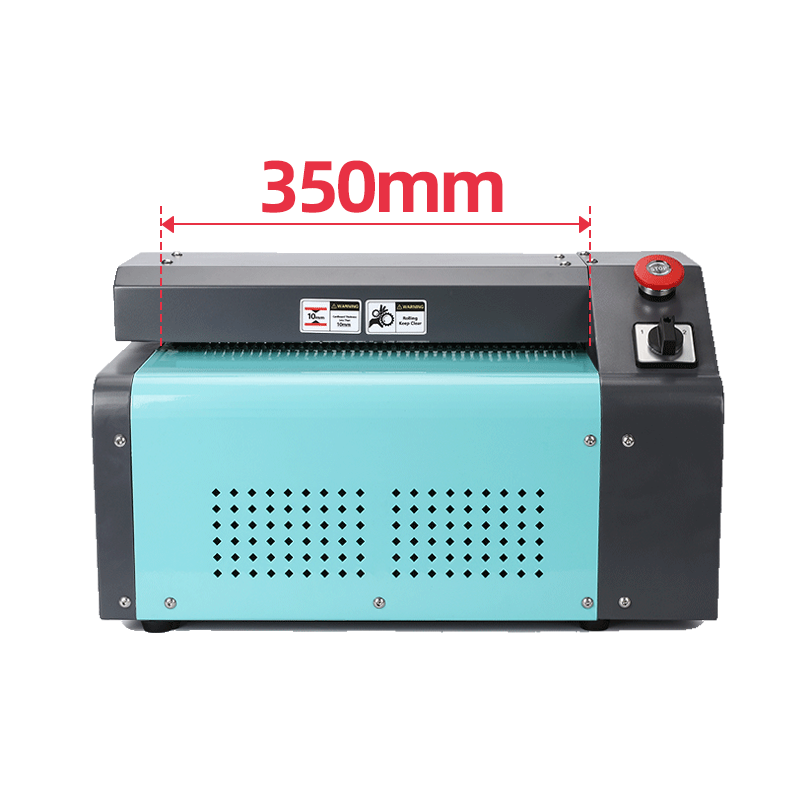
Is an all‑in‑one cardboard shredder with caster wheels truly portable?
Opening
multiple businesses emit a pronounced measure of board waste, resulting in increased cost and environmental impact. Acquiring a corrugated grinder provides a operative and money-saving approach. These machines reduce the volume of discarded papers, transforming it into profitable scraps suitable for biodegradable filling or even exchanged as alternative material, encouraging conservation-based practices and potentially monetizing. A sturdy shredding system is an key advantage for any business dedicated to its eco footprint and increasing workflow.
Waffle-like Cardboard Production: A Low-impact Choice to Inflatable Film?
The mounting notion on polymer refuse has ignited creative ideas toward green wrapping. Honeycomb paper, developed from recycled resources and featuring a organically hardy configuration resembling a honeycomb interior, is viewed as a potential competitor to traditional bubble wrap for protective packaging. Unlike man-made equivalents, honeycomb paper is wholly biodegradable and frequently sourced from environmentally sourced inputs. Considerations include the development cost, which can be higher than that of bubble wrap, and its present availability; yet, as demand mounts, improvements in affordability and accessibility are expected.
- Presents excellent cushioning properties.
- Is utterly biodegradable post-use.
- Can be made of recycled materials.
Fiber Inflatable Device Improvement: Compact and Earth-conscious Protection
Exhibiting a game-changing approach to thing boxing, the sustainable bubble system. This progress offers a compact and significantly more environmentally sound option to conventional plastic bubble wrap. Without the typical heavy plastic, this apparatus assembles a protective layer from recycled board, reducing environmental effect. The resulting containment is both strong and manageable, providing excellent cushioning for weak items while remaining green throughout its active period. Businesses seeking a more sustainable shipping plan will find this a useful purchase.
Boost Space & Cost-cutting with a Cardboard Shredder
Finding obstacles with excessive cardboard shredders perforators amounts of cardboard junk? A cardboard shredder can be a exceptional remedy, helping you noticeably reduce quantity and capture considerable cost reductions. Instead of shelling out for expensive trash collection services or wasting valuable storage space, shredded cardboard is perfect for cushioning. It's an environmentally friendly strategy to repurpose components and typically reduces the overall weight of your waste, potentially dropping waste collection costs. You’ll experience they are relatively compressed machines as well, thus there’s minimal impact on existing floor zone. Here’s how a shredder can benefit you:
- Reduce garbage disposal expenses
- Cut storage needs
- Create reusable packing materials
- Support earth-friendly practices
Converting Waste to Wonder: The Emergence of Alveolar Paper
An innovative innovation is transforming our perception of eco-friendly materials: honeycomb paper. Traditionally regarded as surplus contents – like garden residue and recycled pulp – are now being upcycled into a robust and versatile paper output. This original process copies the architecture and robustness of natural honeycombs, yielding a featherweight yet exceptionally strong material suitable for broad applications. From protective packaging and furniture components to innovative design pieces, honeycomb paper offers a workable alternative to conventional plastics and foams. That development represents not only an environmentally friendly approach but also demonstrates human ingenuity in finding value where it was once undervalued.
- Minimizes landfill trash.
- Delivers superior strength-to-weight ratio.
- Stimulates a circular economy paradigm.
Factory-based Cardboard Grinding: Rewards & Devices Options
Controlling excess cardboard in an workshop setting can be a considerable difficulty. Industrial cardboard shredding ensures several important upsides, such as reduced waste disposal levies, minimized landfill space usage, and creation of usable shredded material reapplicable for buffering. Various equipment options are accessible to meet different criteria. These include high-speed shredders designed for substantial loads, horizontal or vertical models with varying throughput capabilities, and even mobile units offering versatility across multiple locations. Choosing the right cutter involves considering factors like cardboard type (corrugated, single wall), desired particle size for reuse, and overall operational capacity to ensure highest efficiency.
Evaluating Cardboard Shredders: Qualities, Size, and Worth
Finding a ideal cardboard processor can be challenging, so let us survey key aspects. Scale is important; models range from portable units handling some boxes daily to professional-grade machines processing substantial amounts. Features like mechanized operation, bin volume, and safety measures are also crucial. Price points range; basic models may start at around two hundred dollars, while more advanced versions with greater capacity often exceed one thousand. Ultimately, your choice depends on the size of cardboard you need to break down and your budget parameters.
Honeycomb Paper vs. Traditional Void Fill – The Better Choice?
Pertaining to shielding materials during transit, organizations often face a issue: which void fill practice to opt for? Traditionally, bubble wrap have been the standard preference, but honeycomb paper is establishing itself as a compelling replacement. While traditional void fill can be affordable initially, it often carries resource concerns and can be problematic in use. Honeycomb paper, made of naturally sourced materials, offers a enhanced shock absorption level, is fully naturally decomposable, and provides a more appealing unboxing reception. Ultimately, the best choice depends on a company's specific needs – considering both expense and commitment to eco-consciousness.
Distinct Future of Containers: Green Gadgets & Responsible Design
This boxing industry is settled for a prominent shift, driven by consumer appetite and environmental priorities. Imagine a future where protective packaging is no longer solely dependent on plastics; instead, cardboard bubble machines – devices that craft custom cushioning from renewable inputs – become standard. This innovation, together with a broader adoption of earth-conscious design principles such as minimal use of materials and bio-degradable selections, will reinvent how goods are protected during transport and retail. Corporations are increasingly directing resources to these solutions to diminish their natural disturbance and appeal to a more eco-aware consumer base, leading a potential decline in non-biodegradable materials.