How should you compare blade types when choosing a cardboard shredder?
Initiating
several ventures generate a significant volume of paperboard discard, resulting in enhanced expenditure and planetary impact. Obtaining a carton pulper provides a effective and cost-effective solution. These devices cut down the scale of abandoned pulp, transforming it into efficient pulps suitable for layering or even offered as renewable resource, encouraging environmentally responsible practices and potentially yielding profits. A reliable shredding system is an indispensable asset for any business focused on limiting its ecological footprint and improving effectiveness.
Lattice-structured Sheet Fabrication: A Green Alternative to Protective Material?
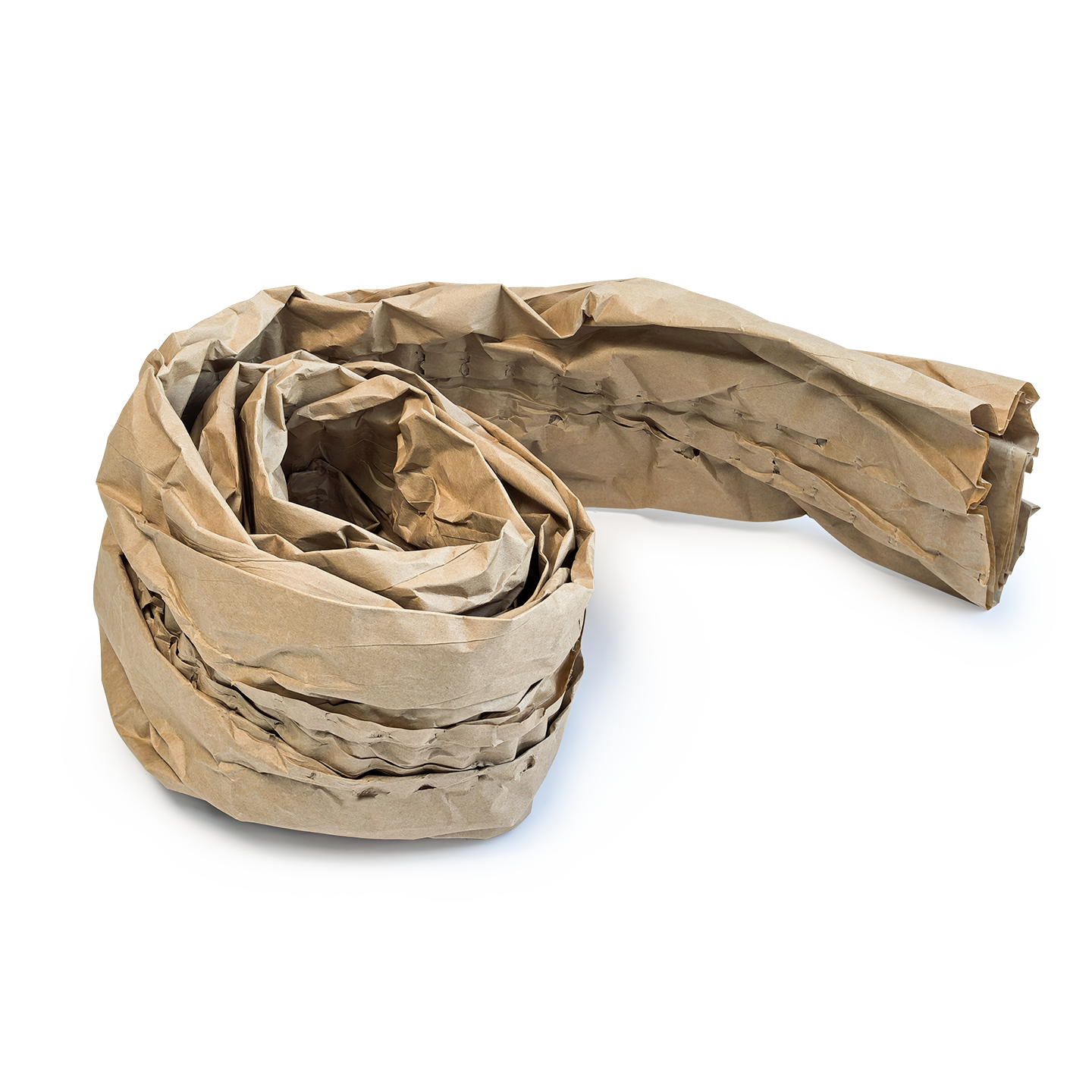
Our mounting interest on man-made debris has prompted innovations toward natural cartoning. Honeycomb paper, produced from recycled materials and featuring a fundamentally tough framework resembling a honeycomb interior, is touted as a potential competitor to traditional bubble wrap for shock absorption. Unlike artificial equivalents, honeycomb paper is unequivocally biodegradable and usually sourced from recycled assets. Aspects include the fabrication price, which can be higher than that of bubble wrap, and its active availability; yet, as demand expands, improvements in affordability and accessibility are expected.
- Delivers excellent cushioning advantages.
- Is completely biodegradable post-use.
- Can be assembled with recycled materials.
Biodegradable Shock-absorbing Equipment Innovation: Easy-to-handle and Eco-friendly Containment
Introducing a trailblazing approach to item encapsulation, the cardboard bubble apparatus. This improvement offers a transportable and significantly more renewable solution to conventional plastic bubble wrap. Without the typical bulky plastic, this equipment assembles a protective layer from recycled fiberboard, lessening environmental impact. The resulting covering is both tough and simple to use, providing excellent cushioning for sensitive items while remaining environment-safe throughout its duration. Firms seeking a more committed shipping method will find this a beneficial funding.
Optimize Capacity & Efficiencies with a Cardboard Shredder
Having trouble when dealing with karton perforator massive amounts of cardboard residue? A cardboard shredder can be a amazing fix, helping you markedly reduce volume and gain considerable discounts. Instead of investing funds for expensive disposal services or occupying valuable storage area, shredded cardboard is perfect for insulation. It's an environmentally friendly technique to repurpose ingredients and typically reduces the overall weight of your waste, potentially dropping waste collection costs. You’ll notice they are relatively condensed machines as well, thus there’s minimal impact on existing floor surface. Here’s how a shredder can improve you:
- Lower waste disposal costs
- Minimize storage needs
- Create reusable packing materials
- Support green practices
Altering Byproduct to Phenomenal: The Uprising of Grid Paper
Certain novel process is revolutionizing our comprehension of renewable elements: honeycomb paper. Historically regarded as rejected resources – like agricultural residue and recycled pulp – are now being reused into a robust and versatile paper manufacture. This inventive process duplicates the shape and strength of natural honeycombs, yielding a low-mass yet exceptionally durable material appropriate for various applications. From protective packaging and furniture components to innovative design constituents, honeycomb paper offers a usable alternative to conventional plastics and foams. The development represents not only an environmentally friendly method but also demonstrates human ingenuity in finding value where it was once undervalued.
- Drops landfill debris.
- Delivers superior strength-to-weight ratio.
- Stimulates a circular economy paradigm.
Manufacturing Cardboard Shredding: Upsides & Apparatus Options
Managing additional cardboard in an plant setting can be a substantial setback. Industrial cardboard shredding affords several strong favors, such as reduced waste disposal expenditures, minimized landfill space usage, and creation of usable shredded material reapplicable for cushioning. Various equipment options are available to meet different criteria. These include high-speed shredders designed for big amounts, horizontal or vertical models with varying throughput capabilities, and even mobile units offering flexibility across multiple locations. Choosing the right processor involves considering factors like cardboard type (corrugated, single wall), desired particle size for reuse, and overall operational capacity to ensure maximum efficiency.
Judging Cardboard Shredders: Characteristics, Capacity, and Expense
Selecting certain ideal cardboard pulverizer can be tricky, so let us review key terms. Output is key; models extend from streamlined units handling limited boxes daily to sturdy machines processing bulky batches. Features like automatic operation, bin load, and safety systems are also key. Price points oscillate; basic models may start at approximately two hundred dollars, while more advanced versions with greater capacity often exceed one thousand. Ultimately, your choice depends on the degree of cardboard you need to break down and your budget restrictions.
Lattice Paper vs. Traditional Void Fill – Which Reigns?
With respect to protecting commodities during carriage, organizations often face a challenge: which void fill way to use? Traditionally, foam beads have been the standard option, but honeycomb paper is rising as as a compelling answer. While traditional void fill can be cost-effective initially, it often carries eco challenges and can be messy to handle. Honeycomb paper, made of renewably sourced materials, offers a upgraded safety level, is fully compostable, and supplies a more slick unboxing interaction. Ultimately, the best choice depends on a enterprise’s specific needs – considering both economic factor and commitment to environmental responsibility.
One Path of Packaging Industry: Biodegradable Devices & Eco-friendly Concepts
Such case industry is set for a major shift, driven by consumer appetite and environmental priorities. Imagine a future where protective packaging is no longer solely dependent on plastics; instead, cardboard bubble machines – devices that craft custom cushioning from renewable elements – become pervasive. This innovation, together with a broader adoption of biodegradable design principles such as minimal use of materials and bio-degradable selections, will revolutionize how goods are protected during transport and retail. Businesses are increasingly focusing resources to these solutions to lessen their ecological damage and appeal to a more sustainability-focused consumer base, producing a potential decline in toxic waste.
