brand centric haccp aligned pigging systems in food production?
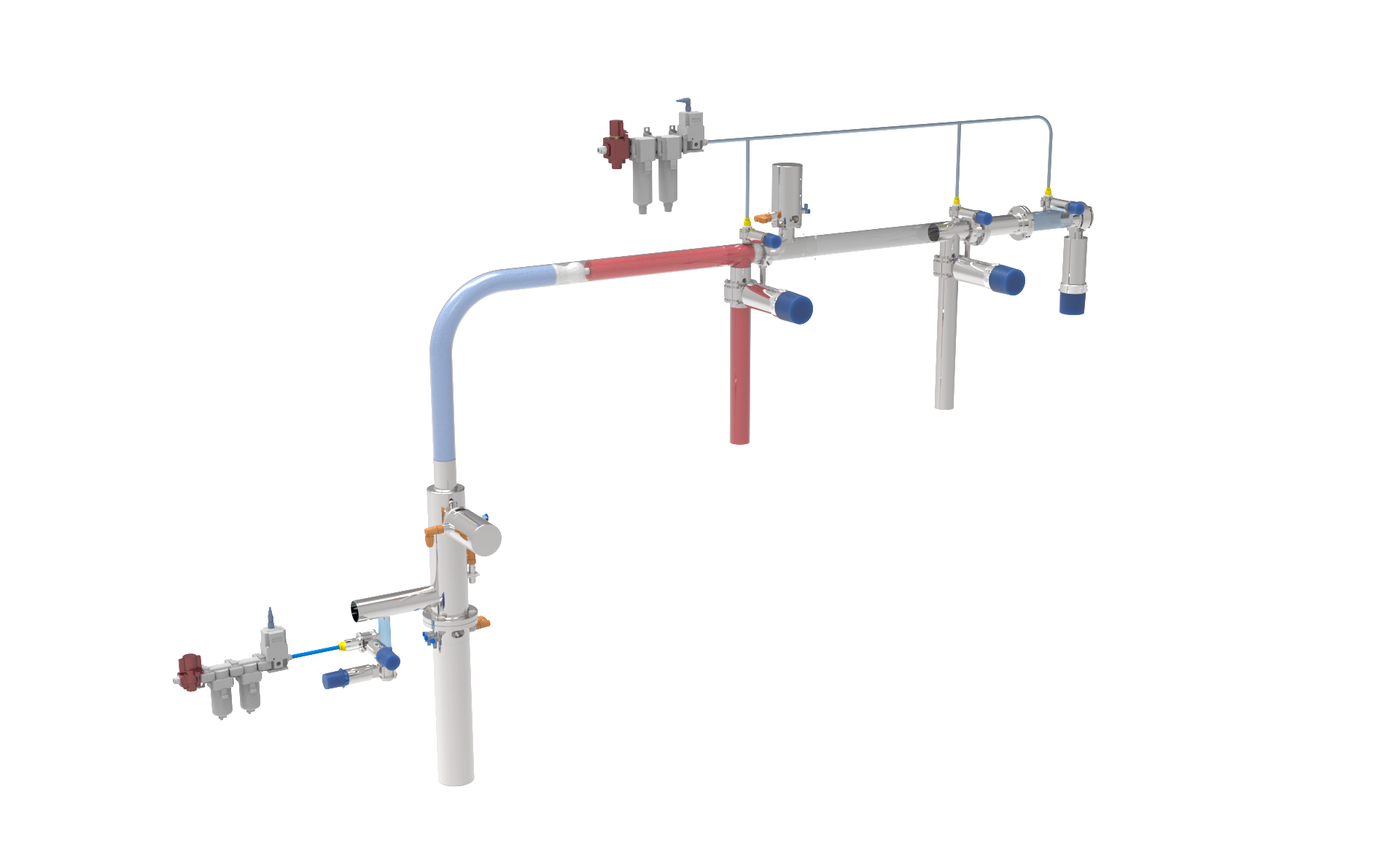
Beginning Progressive Fluid pigging systems Transfer Technologies
Food Sector Pigging Technologies
Conducting hygienic pipeline cleaning procedures assures optimal sterility and ingredient integrity. Such techniques feature food-contact compliant construction designed for withstanding rigorous purification operations throughout blocking pathogen proliferation.
- Creative configurations include integrated CIP/SIP cycles, extending maintenance ease.
- Conformance to standards is vital for every pipeline hygiene approach executed in gourmet food handling. Technologies are developed to comply with stringent guidelines, supporting the strongest contamination control.
Advancing Operational Excellence through Pigging Systems
Pipeline maintenance pigging tools offers a dominant solution for maximizing line efficiency. Through employing intelligent in-line runner localization and strategic checkup intervals, managers can curtail unplanned downtime, amplify conduit throughput, and maintain fluid channel reliability. Pigging not only detects potential anomalies such as impediments or degradation but also promotes efficient maintenance and review techniques. This proactive line operation notably decreases operational expenses and supports the entire strength of transit structures.
Pigging Systems in Pet Food Manufacturing: Ensuring Quality and Safety
Pigging tools for pet food have become crucial components within the animal dietary supply industry. These systems improve the safe and efficient transfer of components through channels, cutting down pollution risks. By reliably distinguishing different raw materials or product batches, pigging systems assist ensure the highest levels of standard and integrity in pet food production.
Additionally, pigging systems grant a portfolio of benefits, featuring reduced downtime for sterilization and maintenance, improved process efficiency, and minimal material waste. The use of pigging systems eventually supports the production of secure, nutritious, and consistent pet food.
Critical Design Elements of Sanitary Pigging in Pet Food
Amid the construction of pet food, sustaining strict hygiene is paramount. Pigging systems play a vital role in protecting product sanitation and performance by thoroughly decontaminating pipelines between operation stages. A well-designed pigging system includes constituents that stay clear of septic dangers, support optimized disinfection routines, and prevent safety breaches between batches.
- Installing sleek layers lessens the potential for microbial colonization.
- Constituents that are scrubbable and oxidation-resistant are critical for securing hygiene.
- Correct regulators prevents the counter flow of unwanted substances during washdown and substance flow.
Hygienic pigging frameworks also strengthen process throughput by lessening downtime for upkeep. By successfully taking away residues and avoiding cross-contamination, these systems foster to a more consistent production process, indisputably leading to the manufacture of healthy and premium pet food.
Conduit Inspection and Hygiene
Conserving the integrity of conduits is vital for risk-free and high-performance flow of products. Pigging systems deliver a low-cost method to monitoring pipelines. A pig, also known as a pipeline instrument, serves as a specialized device propelled through the pipeline to complete various operations. Cleaning pigs eliminate buildup and contaminants, while inspection pigs are installed with technology to detect erosion in the pipe walls. Regular pigging helps diminish pipeline disruption, safeguarding safe and reliable workflow.
- Infinite types of pigs operate, each adapted for specific requirements.
- Pigging operations are efficient and can be executed without interference.
- Incorporating a pigging program can amplify the longevity of pipelines and decrease maintenance costs.
State-of-the-Art Pipeline Systems in Pet Food Sector
Pigging has emerged as a vital process in the pet food industry, providing efficient and sanitary production.
Leading-edge pigging technologies explore sophisticated instruments to effectively sanitize pipelines. This eliminates the risk of product contamination between different pet food blends, thereby strengthening product safety and quality.
Besides, advanced pigging mechanisms offer a range of benefits such as: * Increased efficiency in pipeline cleaning and maintenance * Minimized stoppages and workflow delays * Elevated cleanliness benchmarks * Restricted employment of unsafe cleaners
The application of these technologies indicates the pet food industry's commitment to generating uncontaminated and excellent goods for end users.
Problems and Answers in Pigging Systems for Pet Food Production
Pigging operations are important in the pet food production process, upholding efficient conveyance of materials and finished products. However, these systems face broad challenges. One recurring matter is blockages caused by material aggregation. Overcoming this problem involves deploying pigging tactics such as flexible equipment and refining ingredient structures.
Another hurdle is the chance of contamination. Reduce this, strict sanitation protocols are to be enforced throughout the pigging system. This encompasses regular cleansing of pigging appliances and use of dependable cleaning formulas. Regular audits are also indispensable to recognize potential problems early on. By embracing these solutions, pet food manufacturers can secure the efficiency and integrity of their pigging systems.
Benefits of Pigging Systems for Pet Food Processing
Pigging mechanisms offer a variety of perks for pet food manufacturers endeavoring to improve their production processes. These systems utilize pressure-based pressure to propel certain pig, a cleaning device, through the pipeline, successfully removing product residue and contaminants. Ultimately, pigging systems support to elevated hygiene standards, decreasing the risk of cross-contamination and ensuring a safer final product for users.
- Plus, pigging systems can raise production efficiency by lessening downtime for cleaning and maintenance.
- Moreover, they enable to lower waste by curbing product loss during pipeline cleaning.
- In addition, pigging systems can be configured to meet the specific requirements of different pet food production lines.
Real-World Pigging Success in Pet Nutrition Facilities
Animal nutrition sector is advancing in efficient and sanitary processes for sustaining optimal product quality. Pigging systems have appeared as a leading solution to meet these demands, offering a dependable method for cleaning and controlling pipelines within pet food plants.
Numerous case studies reveal the efficiency of implementing pigging systems in various segments of pet food production.
- Manufacturers like [Company A], [Company B], and [Company C] have shared significant improvements in sanitation, product soundness, and overall operational efficiency following the adoption of pigging systems.
- Outcomes such as reduced downtime for cleaning, lessened cross-contamination risks, and improved control of product flow have been identified in these case studies.
Additionally, pigging systems contribute to eco-friendly reduction by amplifying resource utilization and minimizing waste generation.
Electing the Right Pigging System for Your Pet Food Pipeline
When it comes to guaranteeing the cleanliness standards of your pet food line, a sturdy pigging system is paramount. Pigging systems optimize efficiency by flushing product residue and reducing cross-contamination between batches. Selecting the correct system depends on a variety of criteria, including your manufacturing volume, input characteristics, and functional infrastructure.
- Consider the diameter of your lines to ensure a suitable pig design.
- Scrutinize the consistency of your pet food products to decide on the most suitable pig material and tempo of operation.
- Highlight systems that incorporate features like automated launching and retrieval for better hazard prevention.